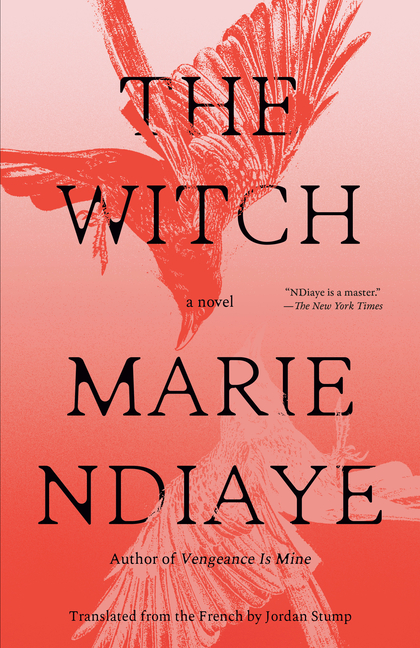
In a small, sleepy town, a mediocre witch, in a mediocre marriage, tries to pass on her gifts to her twin daughters, who, it becomes immediately apparent, have skills far beyond her own.
Opening an NDiaye novel is a little like coming to in the middle of a party after a blackout: the setting may be unfamiliar, but the action is under way, and all you can do is join in ... or all the praise NDiaye has received, I’ve seen little mention, at least in English, of how funny she is ... Though there are no bloody tears rolling down my cheeks, let me close with an act of divination: Marie NDiaye will win the Nobel Prize.
Artfully rendered by her longtime translator, Jordan Stump ... It bears few time stamps tying it to the moment of its creation. NDiaye’s terrain is psychological; her preferred form a singular mash-up of horror, fairy tale and fable ... Classic NDiaye. Taut, spellbinding and strange, it unfolds with the disturbed logic of a fever dream, showcasing its author’s recurring preoccupations ... NDiaye, a specialist in characters in extremis, chronicles Lucie’s mounting panic with exacting precision, her sentences charting a welter of feeling.
Disquieting, hypnotic, haunting ... Spellbinding ... The Witch is dreamlike, elliptical, unsettling and beautiful. It might not be NDiaye’s best work, but it’s still better than most of that of her peers — and well deserving of its inclusion in this year’s International Booker Prize shortlist.