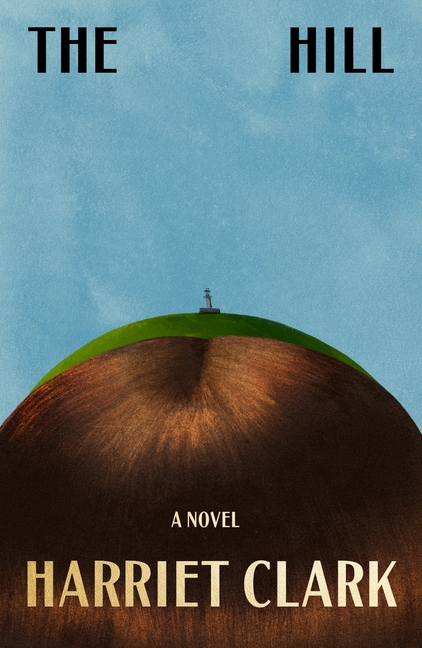
Suzanna Klein was a baby when her mother got up early one morning to rob a bank with a group of fellow radicals. Now, every Saturday, Suzanna lines up at the prison gates among the other children, each dressed as if for celebration. Inside there is a nursery and a cemetery; there are watchful guards and distractable nuns; there are women counting down to release and women like Suzanna’s mother, who will never be released. Suzanna vows to return to the hill forever, but her mother wants her to be free.
Superb ... Clark’s novel is a brilliantly deprived bildungsroman ... From the novelist’s point of view, the story’s fatal glamour skews it toward memoir: Why fictionalize such remarkable facts? Clark’s wise remedy is to strip her fiction of most of those facts, reducing the local references so that the narrative shifts away from singular autobiography toward singular emblem.
Charged with a hushed quality of distillation, lustrous with the obscure meaning of familial romance, plus the sense — common to dreams — of promising some final understanding that can be carried into waking life ... Childhood, much like dreams, is difficult to write about without succumbing to vagueness and sentimentality; there’s also the unfortunate way it means so much more to the person who experienced it than to anyone else. There are none of those pitfalls here. Clark renders Suzanna’s state of unknowing exquisitely ... Clark’s gifts for both the comic and the visionary reach their peak in a virtuoso, semi-hallucinatory passage toward the end of the novel.
A story whose very premise ensures that little can happen poses a narrative challenge. Ms. Clark stages smart, probing explorations of an upbringing marked by waiting and repetition, in which the notion of growth appears fictitious ... There are points when the novel seems, like its characters, to be merely doing time. But not always. Ms. Clark imbues Hillcrest with eerie metaphoric resonance, making it both forbidding and tenderly familiar ... A plot twist near the end rewards much of the reader’s patience; after so much standstill, the sudden change strikes Suzanna—and us—like a blow to the chest.