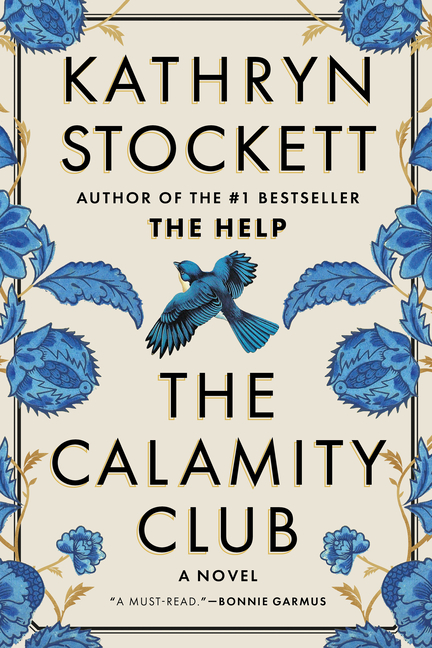
Oxford, Mississippi, 1933. Abandoned by her mother one Christmas Eve, eleven-year-old Meg Lefleur has learned the hard way to rely on no one. Now one of the unadoptable "big girls" at the Lafayette County Orphan Asylum, she fights each day to keep her spirit unbowed. Birdie Calhoun, unmarried and outspoken, has come to Oxford to ask her socialite sister to help the struggling family she's left behind. But as the Depression tightens its grip, Birdie discovers her sister's seemingly charmed life is a tapestry of lies. Then, Birdie encounters Charlie, a woman running low on luck with little left to lose. When their fates, and Meg's, converge, Charlie comes up with an audacious plan for them to take control of their lives. But in a place and time where hypocrisy is rife and women's freedom is fragile, even the smallest act of defiance can have dangerous consequences.
Prodigious ... Rollicking and wrenching ... This is a 638-page book whose action takes place over just a couple of months, and with very little exposition to speak of. So it is remarkable that, with the conspicuous exception of about 100 sagging, repetitive pages toward the middle...it flies ... This is not a so-called novel of ideas, or at least not of new ones. It is not the least bit experimental or formally inventive. It’s all about plot, baby, and that plot, for the most part, delivers ... And all this action is carried relentlessly forward on the surf of Stockett’s full-hearted, down-to-earth prose, her dialogue and inner monologues so well crafted that each sentence gives the impression of being not crafted at all, but inevitable ... Stockett’s portraits of good and evil, of rich and poor, of women with class and those who can’t afford it, can be uncomplicated to the point of cartoonish, but the point here isn’t so much moral complexity as it is pure, hell-raising entertainment.
While most early readers of The Calamity Club have been lauding the book on Goodreads, some have written that they find the mid-book turn to be disturbing, and trigger-warning-worthy in its darkness ... The novel knows what its readers want ... The genre Stockett works in—popular novels, aimed at mostly white female readers—specializes in stories about protagonists whose individual growth as people helps them rise above obstacles. That’s what The Help was, and that’s what The Calamity Club is, too, for better and for worse ... You can bet your bottom dollar that every member of this club will get the ultimate revenge, and Garnett Pittman will go to hell, as the reader closes this doorstop of a book, issuing forth a deep and happy sigh of satisfaction.