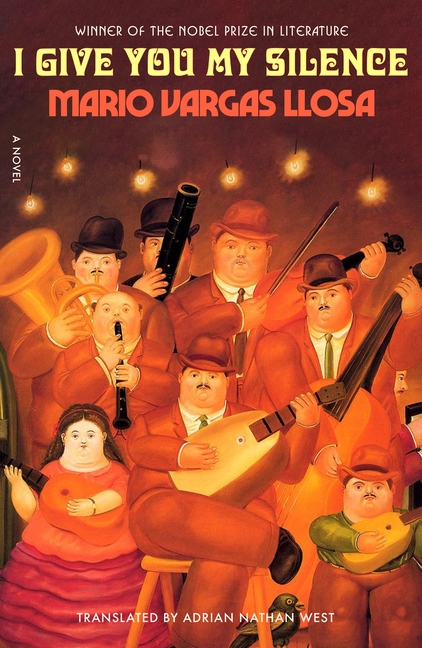
Toño Azpilcueta, writer of sundry articles, aspirant to the now defunct professorship of Peruvian studies, is an expert in the vals, a genre of music descended from the European waltz but rooted in New World Creole culture. When he hears a performance by the solitary and elusive guitarist Lalo Molfino, he is convinced not only that he is in the presence of the country’s finest musician, but that his own love for Peruvian music, as he has long suspected, has a profound social function. If he could just write the biography of the man before him and tell the story of both the vals and its attendant inspiring ethos, huachafería (Peru’s most important contribution to world culture, according to Toño), he might capture his country’s soul and inspire his fellow citizens remember the ties that bind them. Through music, the populace might unite and lay down their arms and embrace a harmonious and unified Peruvian culture.
Toño is a wonderful character, a Quixote-like figure who is laughably naive yet strangely compelling ... It makes for a wily and endearing tale, and in Adrian Nathan West’s excellent translation, the writing is remarkably untroubled by the stylistic sclerosis that can afflict writers with Vargas Llosa’s prestige ... Charming.
Precise, largehearted prose ... Vargas Llosa has written with brutality, humor, sarcasm and hardened empathy about Peru and Latin America. With I Give You My Silence he adds a moving tenderness. Both erudite and raw, the novel was completed in 2022, when the author knew he had a terminal illness. Like most of his late fiction it is written plainly, yet it is shot through with passages that recall his most passionate work ... A fitting farewell from a gifted novelist whose best work was fueled by his own warring emotions and ideas.
A sweet, light story about art and idealism—and its ever-present opposite, cynicism—that is gently comic ... The novel never finds its way or sustains its early energy ... Although the novel’s central tension seems not quite resolved or released, it is clear that both Toño and Lalo share one premise: that art by itself can supply the key to a rich and full life.