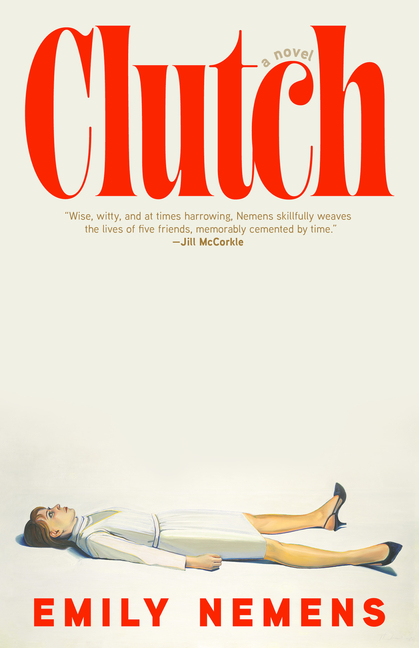
As undergrads, Gregg, Reba, Hillary, Bella, and Carson formed the kind of rare bond that college brochures promise—friendship that lasts a lifetime. Two decades later, the women are spread across the country but remain firmly tethered through their ever-unfurling group chat. They’ve made it through COVID and childbirth and midcareer challenges, but no one can anticipate what’s coming down the pike. The five women converge on Palm Springs for a long overdue reunion.
Nemens is meticulous in building each character’s universe, stacking them with blessings and obstacles alike ... Nemens’s absurd, mordant outlook keeps the story from resembling a soap opera, as does her pitch-black sense of humor ... I rooted for these women, loved them, and cherished the omniscient asides sprinkled throughout hinting at happy endings, even far beyond the novel.
At times, the women in Clutch are difficult to feel close to. Many of the novel’s scenes are preempted by large chunks of backstory, giving the narrative a this-already-happened kind of feeling. In some ways, this is effective. By the time we get to the big events of the present storyline, tensions have built and payoffs hit big because we know the last two decades of these women's lives. The downside is the sense of waiting so long for something to happen that it’s easy to wonder if anything will happen ... Whether you’re in the camp that would feel quite seen with this group of women or wouldn’t want to be stuck on a plane with them, there’s something universal and lovely about the way Clutch portrays the crucial and deep love that only friendship can provide.
While the lack of plot can make the novel occasionally feel a bit static, the richness of character, language and metaphor ultimately makes up for that. Likewise, the omniscient narrator can be both a strength and weakness ... Skillfully handled for the most part, it brings an intimacy and authority to the narrative and constantly reminds us that this group exists as a collective as well as distinctively portrayed individuals, even when it can sometimes, particularly in its reflections on time and responsibility, edge toward didacticism. Still, this narrative voice refreshingly refuses any neat wrap-ups or easy victimization despite betrayal.