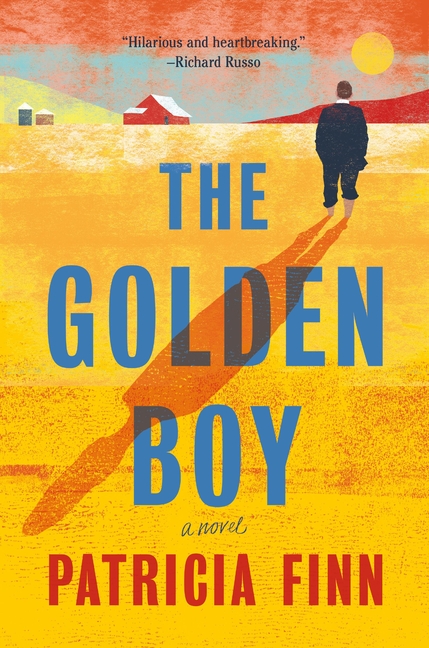
After an involuntary retirement from his high-flying Hollywood career, Stafford Hopkins has retreated to a luxury estate on Maui, along with his wife Agnes, both grimly resigned to life in a paradise where neither feels fully at home. Returning to both the hardscrabble farming town and the dark secret he'd tried to forget for decades, Stafford is forced to confront his past in order to rebuild his future--and to redirect the fates of his family and the four young people suddenly in his care.
Aristotle’s ideas are essential and enduring, and Finn explains them well. But fiction is powerful because it embodies ideas, rather than explaining them ... Perhaps counterintuitively for a former television writer, Finn often resorts to exposition to weave a voluminous back story into the narrative, and not always seamlessly ... She directs her best talents into Stafford’s journey to redemption, which gathers momentum in the final chapters, giving way to an immensely moving conclusion. The storytelling might be uneven, but like an old television pro, Finn knows how to stick the landing.
Lovely ... By turns comical and deeply affecting, The Golden Boy is heavy on back story, family history, Canadian history and geography, and on what Aristotle and friends would call exegesis. Some of it is fascinating, some less so, but all of it is ultimately well worth Ms. Finn’s detours.
Finn’s debut novel weaves philosophical discourse throughout this leisurely paced and wryly funny story of redemption and forgiveness. Readers and book clubs who appreciate quiet, bittersweet stories about the lives of everyday people and fans of Elizabeth Strout and Richard Russo will want to pick this one up.