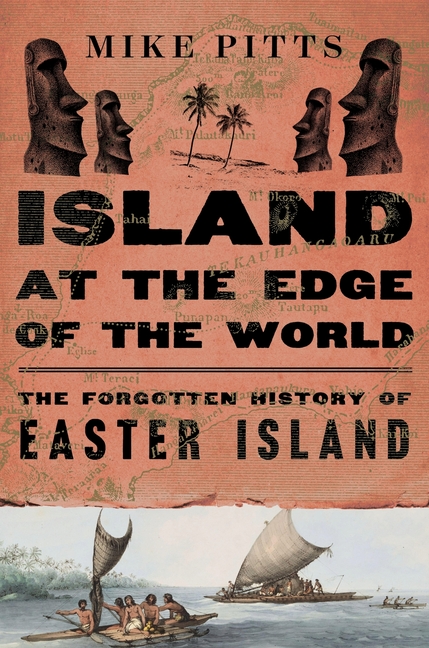
Compelling ... Pitts has gone deeper than any other writer in cutting through the miasma of misperceptions that shrouds the island, even if his work sometimes bogs down in numbing detail, and he leaves important questions unanswered ... Ventures deep into the weeds ... A bit too much throat clearing ... But Pitts’s wonder comes through on nearly every page.
Crisp, confident, and convincing ... The story Pitts tells—drawing on new archeological findings, a fresh reading of eighteenth-century visitors’ accounts, and a reconsideration of Katherine Routledge’s neglected work—is quite different. It will no doubt be contested ... Pitts’s account reflects a broader shift in the consensus, one that many readers will find persuasive, as this one did.
There is much in Island at the Edge of the World to inspire, ponder and sadden. Wading through the book takes some work, though. Another writer might have managed a more linear, interwoven narrative; this one feels disjointed in places, as it jumps between theories, time periods and long digressions ... Still, like the stone sentinels themselves, it’s a big story that says much about all of us — about art and humanity and our hunger to make meaning and to speak it across the centuries.