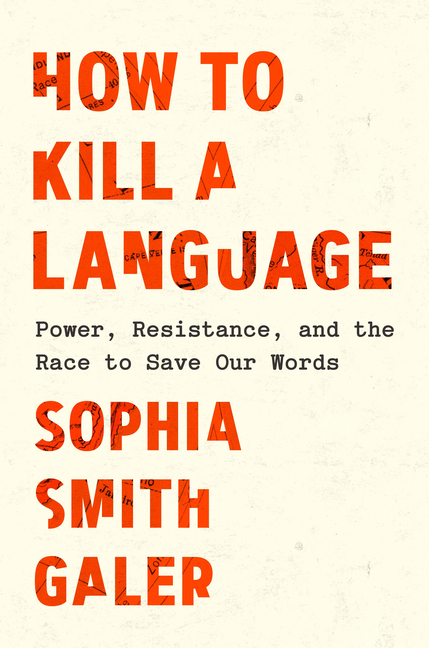
Languages can be killed in many ways: war, the climate crisis, nationalism, and even quiet choices made at the dinner table. In How to Kill a Language, journalist Sophia Smith Galer travels across continents and generations to chart this phenomenon.
Has much to say against the case for putting languages out of their misery, but her focus is on a point with which even the most unsentimental can surely sympathize ... Smith Galer writes powerfully ... In general, Smith Galer’s empirical examples tend toward the optimistic ... Even if we grant Smith Galer the premise that language death is always a terrible thing, it doesn’t follow that we ought to do everything in our power to stop it.
Despite its often elegiac tone, How to Kill a Language is not a work of resignation. As Smith Galer notes near the end, 'We have also witnessed astonishing, fate-reversing language revivals.' Just consider Welsh, Hawaiian, and Basque ... This can seem like one of those colossal challenges that defies any personal solution — What can I do to preserve Arctic ice? — but Smith Galer has a concrete suggestion: 'There is one small action that anyone can take to resist glottophobia, or the discrimination against other people’s languages or accents: learning a second language yourself.'
A rallying cry against linguistic extinction ... What can be done to save languages from dying? Even as the situation is critical, Smith Galer sees reason for hope in a variety of language revitalisation approaches ... This is a necessary book, with a message that English speakers need to hear.