PositiveThe New YorkerKimberlé Crenshaw gave us the terms \'intersectionality\' and \'critical race theory.\' Her new memoir shows that she isn’t done fighting over what they mean ... Plenty of scholars and journalists have written histories of these contentious terms ... Now Crenshaw has written something different: a history of herself ... She frames her life and her remarkably influential career as one long fight against various forms of exclusion and unfairness ... Neither of the movements she named was designed for mainstream acceptance. C.R.T. was born as an insurgent project, and intersectionality was once a critique of the civil-rights movement. What are they now?
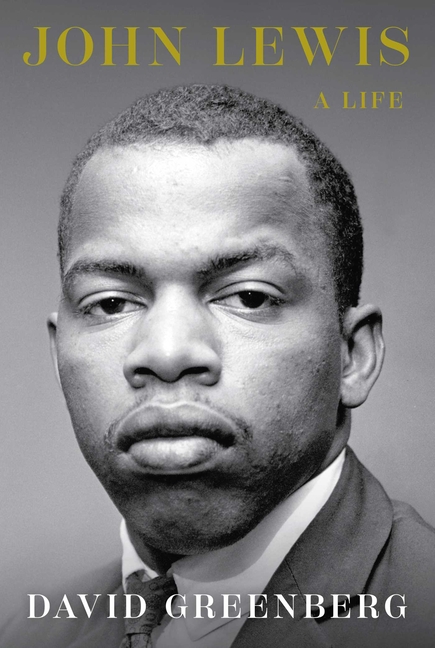
David Greenberg
PositiveThe New YorkerAppropriately weighty ... Less hagiographic ... Some biographers must wrestle with their subjects’ inconsistencies, but Greenberg, for the most part, has the opposite challenge: Lewis seems to have been a stubbornly straightforward character ... [A] careful account.
Jonathan Eig
RaveThe New YorkerA sober and intimate portrait of King’s short life, and one that can’t help but be admiring, given how much King accomplished, and how quickly he did so.
Jordan B. Peterson
MixedThe New YorkerPeterson himself embraces the self-help genre, to a point. The book is built around forthright and perhaps impractically specific advice ... Peterson has a way of making even the mildest pronouncement sound like the dying declaration of a political prisoner ... Peterson sometimes assumes the role of a strident anti-feminist, intent on ending the oppression of males by destroying the myth of male oppression. (He once referred to his critics as 'rabid harpies.') But his tone is more pragmatic in this book, and some of his critics might be surprised to find much of the advice he offers unobjectionable, if old-fashioned: he wants young men to be better fathers, better husbands, better community members ... Peterson excels at explaining why we should be careful about social change, but not at helping us assess which changes we should favor; just about any modern human arrangement could be portrayed as a radical deviation from what came before.
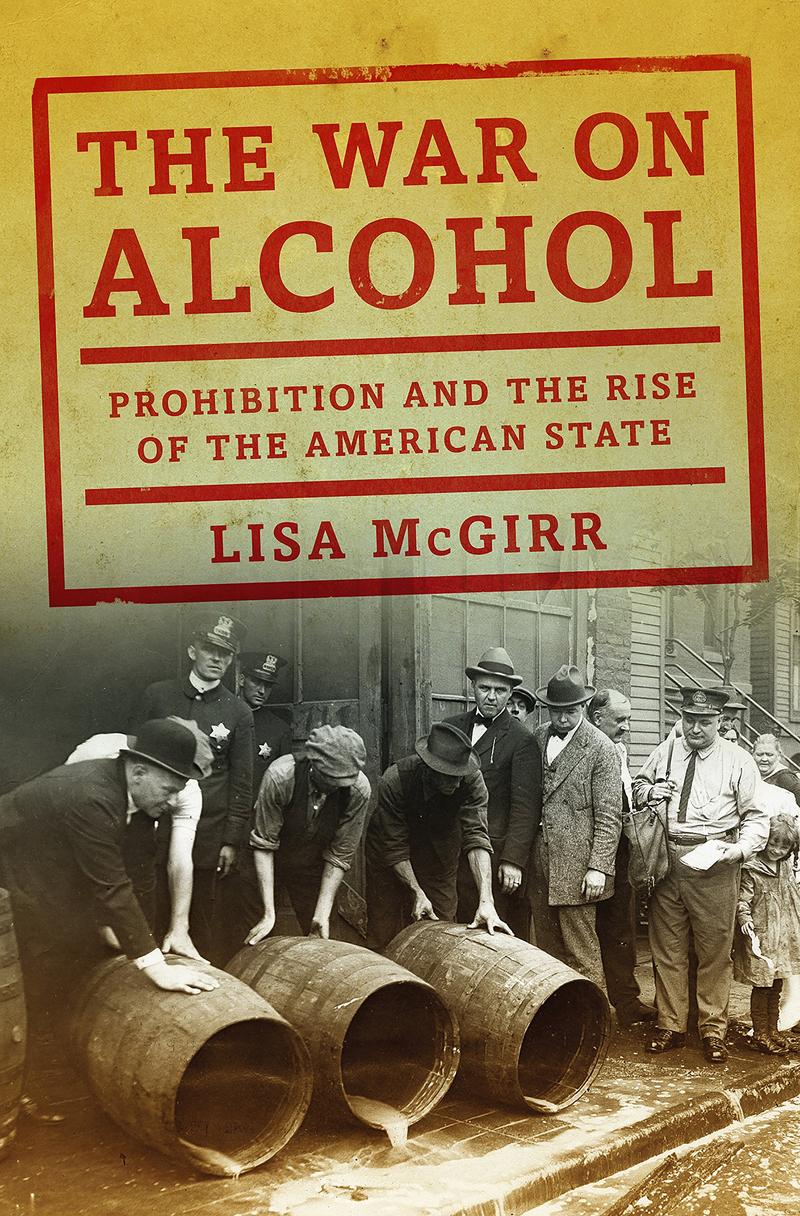
Lisa McGirr
MixedThe New YorkerPart of the problem with thinking about Prohibition is that the fact of its evident unsustainability tends to overwhelm everything else about it; even McGirr sometimes struggles to make her characters seem sensible enough to be taken seriously.