RaveThe Chicago Review of Books\"While reading Lee’s A Tender Age, I couldn’t help but think of [John] Knowles’s 1959 classic A Separate Peace ... Lee does an excellent job of capturing past-day Jeon-Gi’s youth and naivety. Simply put, little kids have big feelings ... Traditionally speaking, if an older narrator is recalling his younger self, then there should be a clear reason as to why. Idealistically speaking, the older narrator should also impart some wisdom, some reassurance that he’s matured. For Lee to have present-day Jeon-Gi offer little to no insight on how his thoughts and feelings might have changed over the last few decades not only challenges widely accepted writing conventions, but also forces the reader to ask, maybe Jeon-Gi hasn’t changed? If A Separate Peace represents an ideal story where the narrator is able to let go and heal from his childhood trauma, then maybe A Tender Age represents a tragic truth. Some people, no matter how old they get, will always be a scared, scarred child within.\
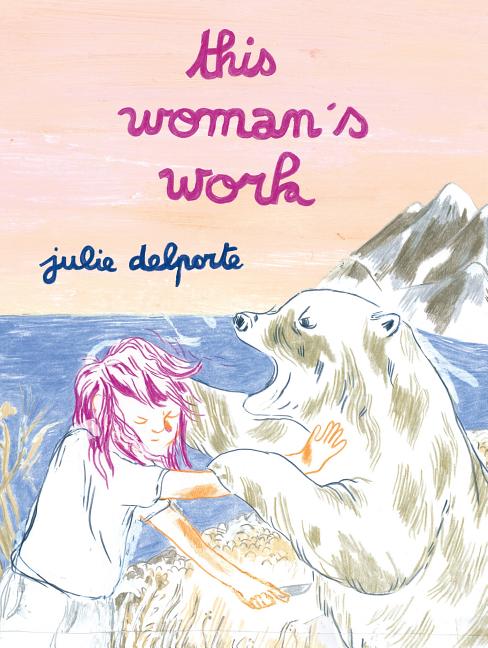
Julie Delporte Trans. by Helge Dascher and Aleshia Jensen
PositiveHyperallergicSeems unassuming at first. It creeps up on you with its wistful tone, delicate colored pencil drawings, and reflections on the limitations of being a woman. Gradually, the tone becomes more potent and more personal ... she considers her own physicality, but in a way that’s far removed from the romanticizing or hypersexualizing tendencies of certain male artists ... The counterpoint to all of this is Delporte’s admiration of Tove Jansson, the creator of the Finnish cartoon characters Moomins...But Delporte spells out the appeal — possibly too much, as this doesn’t leave much space for readers to spot connections ... gets a charge about two thirds of the way through, when Delporte’s sadness is finally transmuted into anger.