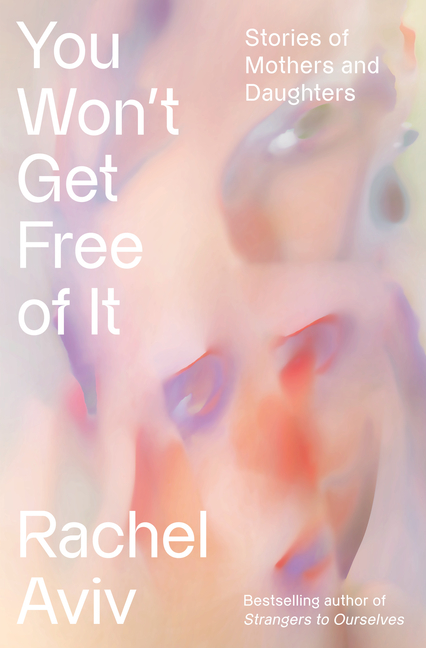
Stunning ... A collection of compelling essays exploring tangled mother-daughter relationships. As with the proverbial Chinese finger puzzle, the more her subjects pull away, the tighter the trap becomes ... Each chapter demonstrates Aviv’s exhaustive reporting and impressive intimacy with her sources ... Only one, albeit moving, piece on undocumented Filipino domestic workers feels like it doesn’t quite belong ... Together the pieces in this piercing collection shed light on how the bond between mothers and daughters can alchemize, through trauma, into something inescapable.
Aviv’s writing has a quality that makes everything she describes feel like both a mystery and an inevitability. Her stories develop in ways that her subjects (and her readers) could not have predicted; at the same time, what unfolds is revealed to be the only way things could have happened ... Here in Free, Aviv brings in her skill and precision to open up the original New Yorker essays with revisions to include more from the mother’s perspective, after Aviv realized that she had, unconsciously or otherwise, omitted something that had seemed too obvious to be considered relevant ... Impeccable deconstructions and brilliant renderings of what she has found and seen and learned.