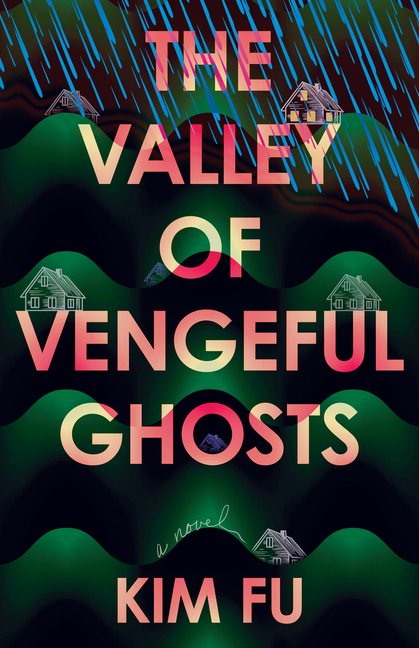
In the aftermath of her mother's death, Eleanor is unmoored. For years, her mother orchestrated every detail of her life—from meals, to laundry, to finances—so that Eleanor could focus on her career as a therapist. Left to navigate the world on her own, Eleanor clings to her mother’s final directive: use her inheritance to buy a house.
Fu’s descriptions of both Eleanor’s crumbling environment and her deteriorating mental state are haunting ... Books about depression are often too unpleasant for me, having struggled with mental health issues throughout my life. But Fu captures that infinite, exhausting gray with so much honesty and compassion that it feels like being seen, rather than judged or punished. In doing so, Fu reveals the power of genre fiction to use the fantastical to capture the painfully real. And just like one of the novel’s ghosts, Eleanor will stay with readers for a long time.
Fu’s prose and writing are lethal and blunt arrows, always landing on the bull’s eye. Fu’s commentary on the topic of grief, her brief descriptions about the physicality of Eleanor’s world, or how Eleanor feels at certain moments, show how talented and masterful Fu is with her craft and storytelling ... The Valley of Vengeful Ghosts is a whirlwind of human experience; and a captivating account of the messiness of grief.
Riveting ... The book’s tension is coiled and increases ... Surreal and mundane elements spiral into buyer’s remorse and emotional rebirth in the gripping novel The Valley of Vengeful Ghosts.