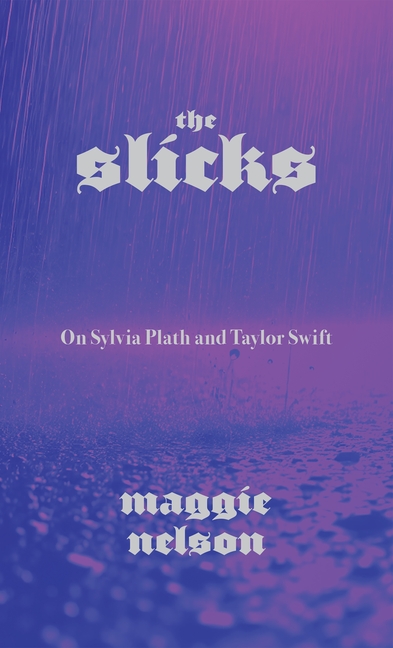
This slim book-length essay is essentially defensive in its aim and tone. But the effect is confusing, partly because Nelson seldom quotes or cites the dismissive commentary that Swift has been subjected to.
I kept thinking of any number of singers, musicians, transcendent superstars, and neglected avant-gardists I wished Nelson had chosen over Swift ... Nelson very persuasively casts both Plath and the female artist in general in Carson’s anti-sophrosyne terms ... What Nelson cannot do is ascribe anything like the vortical energy of the Ariel poems to the mature lyrics of Swift, who is now five years older than Plath ever was ... But one might just wish for a more audacious object of Nelson’s attention.
Nelson essentially argues that any criticism of Swift is the result of the patriarchy’s obsession with silencing women. This is hard to take seriously ... If this is the kind of silencing Nelson is worried about, I would quite like to live in her version of patriarchy ... Finishing this hopefully intentionally unserious book, I felt an overwhelming sense of anxiety emanating from its pages. It struck me that Nelson, who made her name as a brilliant, subversive chronicler of queer sex, cruelty and desire, is afraid of being judged for liking something so blandly common denominator. I want to tell her it’s okay – she’s allowed to like the popular thing without having to anxiously argue that it comes from a place of maligned feminist indignation.