Riley’s work recasts our relationship with the familiar, transforming ordinary, unremarkable lives of her characters into something startling and new ... Riley’s disquieting acuity and her spare and unsparing prose makes them shimmer with tension. She has a phenomenal ear for dialogue, for the myriad ways in which people unknowingly lay themselves bare, both in what they say and, more agonisingly, in what they don’t – or can’t. She is the laureate of disconnection, her bone-dry humour edged with the vertiginous lurch of despair ... A slim, impeccably controlled story that contains multitudes.
A triumph of non-sentimental nostalgia ... Acute ... Riley’s novels draw their energy from tense relationships and cringeworthy encounters, depicted with pitiless clarity. Her instinct is to probe the fault lines between the comic and the horrific ... A reflective melancholy gathers almost by stealth, settling in the spaces between sentences.
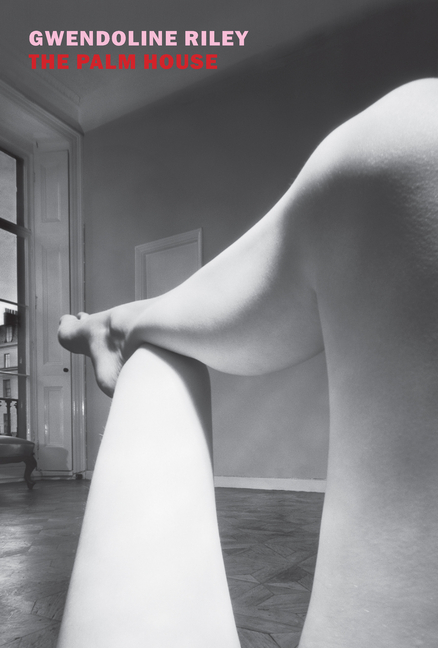
Riley has long enjoyed critical acclaim for her particular style of novel: unflinching, keenly observed portrayals of contemporary British life, narrated by complicated women who inhabit difficult relationships with their usually somewhat less sophisticated mothers. Nobody does it better. Riley’s novels are slight, but strong. Completely devoid of sentimentality but rich in human truth. Her seventh offering, The Palm House, follows form ... This novel can be read in one sitting; it is so engaging that it proves impossible not to. Readers don’t turn to Riley for elaborate plots. Instead, what she offers has much higher stakes: how do we navigate and survive ordinary lives? Finding beauty in the banality of everyday human suffering is what typically elevates her work to something extraordinary. In this incarnation, however, her pristine prose soars.