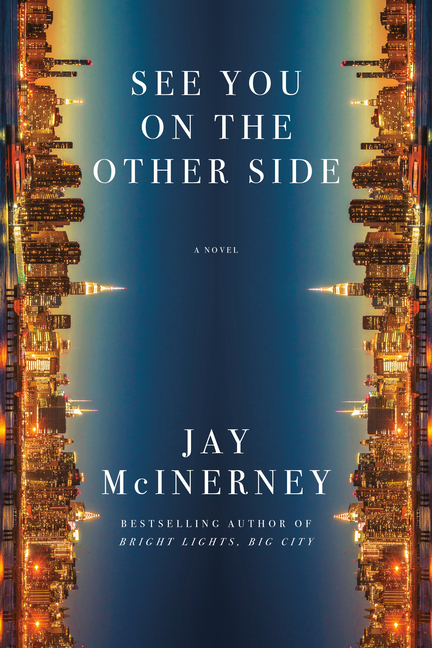
The final volume in the tetralogy charting the marriage of Russell and Corrinne Calloway, now in their sixties, against the backdrop of various crises that have bedeviled our society in the past forty years.
A pretty good book ... It is the Rabbit at Rest of the series and deals, more than any of the other books, with aging and mortality ... Does See You on the Other Side work on a stand-alone basis? Mostly not.
McInerney’s lens has generally been soft-focus, tailored for readers who imagine the city as the place they ought to be, or could never consider leaving. But as he closes accounts in the new book, the existential challenges for both the city and the Calloways have only grown ... The title of See You on the Other Side is double-edged. The book is deeply concerned with mortality, and the novel’s arc puts a definitive end to the series. But it is also about what happens when a whole city seems to shift from the 'art and love' team to 'power and money' ... Toward the very end of See You, Corrine recalls how Russell once read her the final chapter of James Joyce’s Ulysses, Molly Bloom’s ecstatic and orgasmic stream-of-consciousness monologue. It’s a tick pretentious of McInerney, using Joyce’s big finish to end his own. But it’s also charming, an assertion of human connection amid a troubled marriage in a troubled city. So many negative forces have hit the Calloways, but McInerney reserves his right to deliver one last affirming yes.
The story unfolds in the episodic fashion of television dramas, ticking off topical conflicts such as the pandemic, the Black Lives Matter protests and the #MeToo movement as they bear upon the Calloways and their daughter, Storey, who is opening a Brooklyn bistro at the worst possible moment ... All this will be to your tastes or not, but credit Mr. McInerney with not being self-important about his material ... Mr. McInerney had his turn as a celebrated literary arriviste. Now he’s enjoying himself.