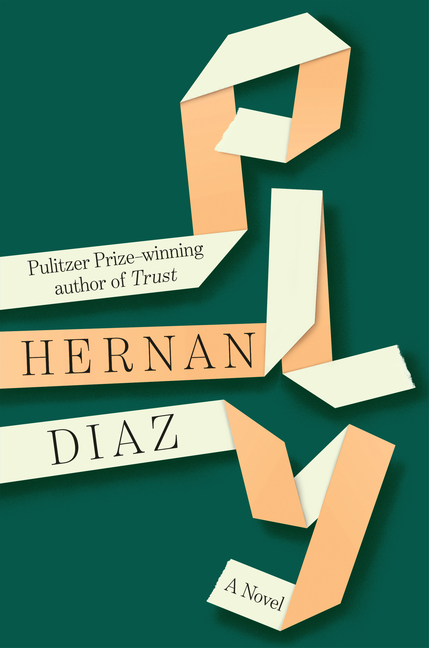
A vision of the future both deeply disconcerting and oddly exhilarating ... Not a simple condemnation of technological advancement, an exercise in Luddite nostalgia, or a screed about the perils of innovation ... After the uncanny and vibrantly imagined world of Ply, after the fresh and vital voice of the pincher, the novel’s second half felt disappointing and the playing with pronouns and tenses a bit gimmicky.
Yet pleasures still appear ... A testament to the surpassing importance of the human voice, artistic fecundity, improvisation, and ingenuity.
Readers who became fans of Hernan Diaz for his novel Trust, which won the Pulitzer Prize in 2023, may be disoriented by Ply, his latest. Where Trust was a sharply controlled exploration of capitalism set in the past, Ply is practically the opposite — a sprawling far-future narrative of a life lived on the margins ... For a book set so far in the future, it still manages to be a paean to a familiar phase of youth, culture, metropolitan living ... With the transportive power of music, found families and trade-based economy, Ply resonates with the founding ideas of Burning Man. What if, despite everything, you could create a community that is wild and anarchic and free?
Many books about the future are ways of thinking through the problems of the present. One of the difficulties with Ply is that it seems to want to do this but never quite settles on what to say ... Both more emphatic and more confusing ... he more time we spend with them, the more The book’s inchoate political energy dissipates ... You can’t fault Diaz for lack of ambition. As a title, Ply is a slippery, clever choice ... Regrettably, the grand intellectual ambitions of Ply finally overwhelm the other desiderata of fiction ... The narrative energy of Ply keeps getting derailed, not least because two of its main characters exist mostly to lecture us.