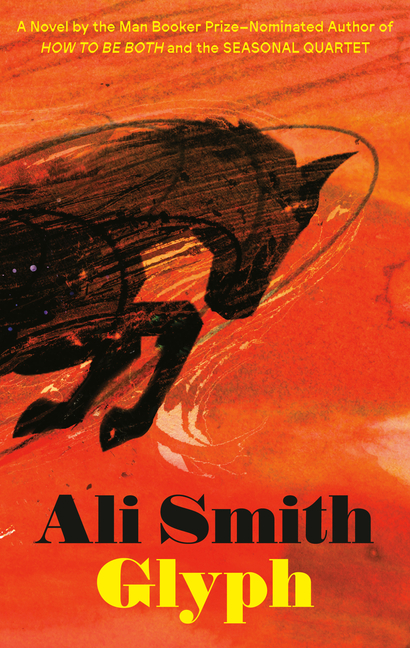
In her feisty, graceful Glyph, Ali Smith mulls writing and language among other themes: it’s her best work since the lauded Seasonal Trilogy. Written language shape-shifts, from glyphs and runes to schematic sonnets to today’s emojis and texts; Smith’s experimentation links this notion with the political upheavals and moral betrayals of our moment. No Anglophone author channels molten rage with her level of skill ... Brims with whimsy, but it’s more than a game ... I won’t spoil the conclusion except to note the final three pages alone are worth the price of a hardcover. Once again Smith makes her case beautifully: art points the way forward, enduring across millennia, like those Sumerian tablets, yet transforming itself and us each day.
Much of the novel is dialogical, arranged in exchanges between two people ... Smith’s tonal acuity places us in the room with her characters, and this shot/reverse shot intimacy and immediacy are the novel’s power ... Glyph isn’t subtle, and it lacks the artistic coherence of Smith’s best work. But there’s no faulting its sincerity. It’s a didactic novel that argues for didacticism in our approach to a violently asymmetric world, that exposes our ironic distance (literary or otherwise) from current events for what it is: gutless and craven.
Thought-provoking, although somewhat less beguiling than her usual fare ... At the heart of Glyph are two sisters wrestling with the death of their young mum and the horrors of war, including the current situation in Gaza ... Ali Smith — bless her — refuses to shy away from current events and concerns, however sensitive.