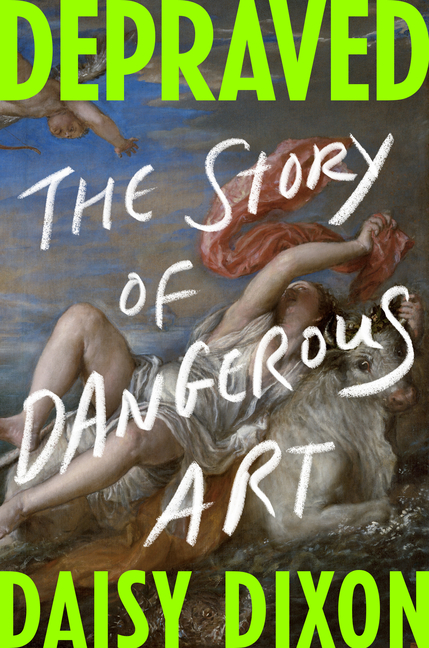
Philosopher and artist Daisy Dixon explores works of art that society has condemned as depraved, obscene, or dangerous, from prehistoric sculpture to extreme metal music, videogames to classical paintings. Interrogating our sense of morality, past and present, Depraved asks readers to engage with essential questions about art, censorship, social progress, and the eternal debate over right and wrong.
Ms. Dixon often seesaws between a work’s attractions and its repulsions ... We sense a fairly rigid ethical grid being lowered over artistic achievement ... She calls for a 'fearless reckoning with depraved art and artists,' which brings us back to the cultural cries surrounding us when we picked up this book. But we are left none the wiser.
In her timely and punchy new book, the philosopher Daisy Dixon explores some of the most controversial artworks ever produced ... Come to Depraved expecting a conventional view of art history and you’ll be disappointed ... She believes depraved art isn’t something to be squirrelled away, but confronted 'loudly, angrily, beautifully': emotions that capture the spirit of this passionate book, which, like those rewritten labels in museums, is going to delight some, and prompt eyerolls in others.
The adjective depraved, according to the Oxford English Dictionary, occurs about 0.03 times every million words in modern written English ... Dixon makes an outstanding case for reviving the term in this compelling work ... Dixon’s range is impressive and enjoyably global ... Dixon, in this deeply impressive book, argues that art can help change the world. Let’s hope she’s right.