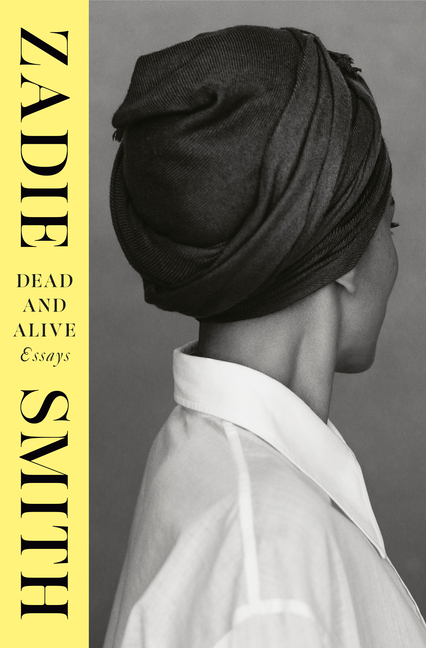
Filled with Smith’s crisp observations, Dead and Alive is a smart, somber book informed by a sharp right turn in politics and a great deal of anxiety about how we look at and talk about art ... Rarely do her analyses surprise me, but there’s pleasure in watching a novelist wired to see all sides at once wrangle with her own dynamic subjectivity; what’s compelling is the effort of eliciting in herself the most honest possible take. As in her previous essay collections, some of the best moments in Dead and Alive are found in her more personal and elegiac writings.
Smith is arguing for the necessity of vigorous criticism and often makes her case. The book’s finest pieces wrangle, in elegant prose, with humanity’s contradictions; the weaker ones indulge in name-dropping, footnotes and op-ed invective ... Her forays into social commentary are more problematic. She’s strong on the weird population kink known as Gen X ... She’s persuasive when she remains within her comfort zone, opining on race, gender and, occasionally, class. Not so much when she ventures into technology ... She comes across as preaching to her peers rather than seeking converts, a whiff of Oxbridge elitism ... Does what it was designed to do: It gathers the author’s criticism, literary obituaries, a university address and an interview with a Spanish journal between two covers. The execution falters. Smith’s provocations are often stunning; her prose is thrillingly strident; but her fiction better captures the messiness of public and private selves at war with each other.
She certainly makes essays look easy ... Some delightful personal pieces ... Some essays do work better than others; there are forewords to history books that are less enjoyable without access to the book in question, for instance ... They are a delicious peek behind the scenes of a great writer at work — or at play.