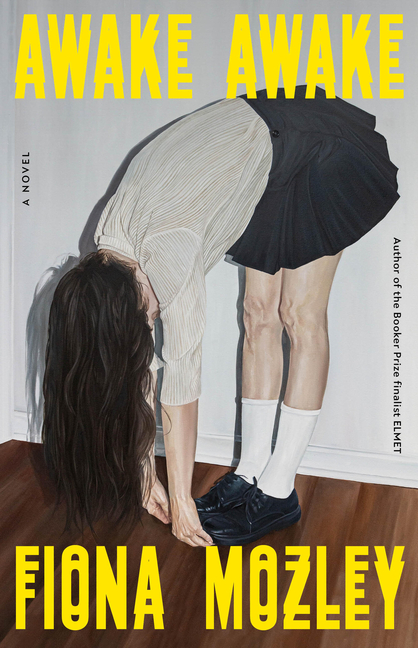
Mary has started remembering things that she knows aren't real—but the events feel exactly like her actual memories. Who is she, if she can't be sure she knows her own past?
Confident and unsettling ... I’m forced to be coy because there’s a mystery at the heart of this novel so startling that I did a double-take when I first encountered it on the page ... Awake Awake deserves a place alongside Meg Wolitzer’s The Interestings and Claire Messud’s The Burning Girl as an elegiac reflection on the intensity of teenage friendship, along with the almost unbearable pain that results when such a bond is severed.
All the ingredients are present for a rich and compelling novel. But after its promising opening, Awake Awake often becomes mired in plodding teenage recollections and dialogue that lacks precision. Mozley has previously spoken about finding dialogue a struggle, and it remains her weak point ... Yet the novel gathers force in its final section, when the nature of the friends’ shared loss comes into focus ... A reminder that an uneven novel can still be a worthwhile one.
On the one hand, a clarion call – a clear-eyed view of contemporary moral and political failure in the UK – and on the other, an assembly of engrossing philosophical and metaphysical engagements with the nature of memory. Its barely resolved uncertainties make it a fascinating read, but in the end you aren’t sure it was meant to be quite so strange.