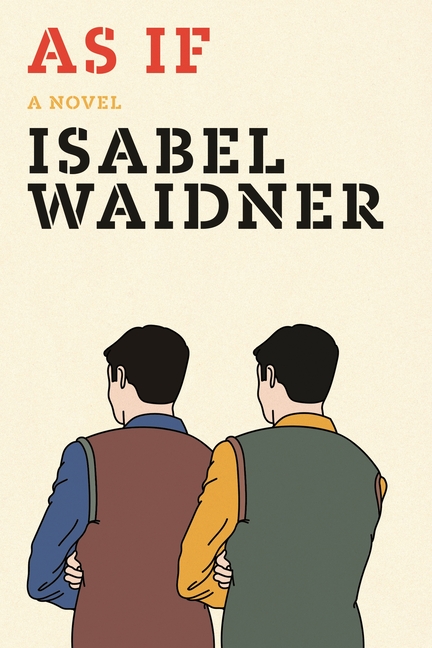
Two men meet in an apartment in London. They are strangers to one another, and yet they look remarkably alike. Lewis is grieving his dead wife; Korine is hiding from his very-much-alive one. Lewis never had children; Korine has just walked out on his. Lewis is a retired actor whose career never amounted to much beyond a bit part on a B-list sitcom; Korine has always dreamed of acting. Slowly and then all at once, each begins to live on the other’s behalf. As Korine answers a casting call under Lewis's name, Lewis finds himself playing father to the other man’s son. Each day the strange ruse becomes truer and stranger, more entrenched. Plunged into an existential game of cat-and-mouse, pursuit and retreat, they find that acting might make it possible to, finally, live.
Grief is the engine of this surreal caper ... The novel’s alternating narrators keep things moving briskly, the limited perspective of one chapter delivering the comic payoff of the next ... Amid the dizzying back-and-forth, Waidner conceals a subtle exploration of midlife crisis.
Amusing ambiguities are plentiful. The chapters alternate between Aubrey’s and Lindsey’s narrations and their voices are so similar that it is easy to mix them up; also, the androgynous character names raise the possibility of gender confusion. Often, the invocations of doubling and role swapping seem hypothetical. Much of the story is told in summary, leaving the comic possibilities of the premise unexploited.
Waidner’s tactic of switching selves...is wrenchingly funny and not a little poignant ... Waidner’s brand of anarchic dissonance and absurdist comic jolts buoy the novel along, even if the whole enterprise seems merely laughter in the dark.