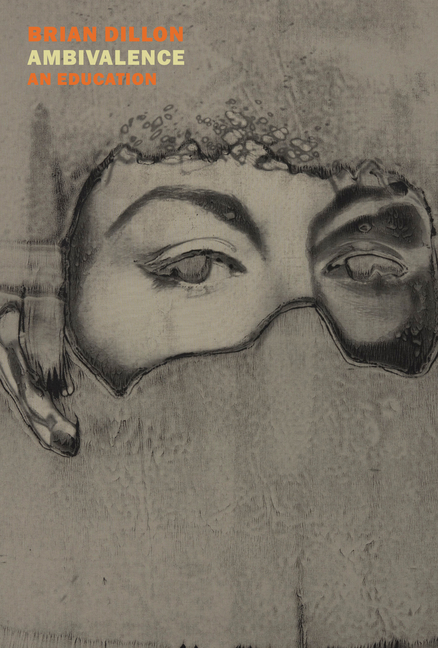
A coming-of-age memoir set in late-twentieth-century Dublin, recounting writer and critic Brian Dillon's first encounters with pivotal writers in his life—Virginia Woolf, Samuel Beckett, Walter Benjamin, and others—and in the process arguing for the transformative power of art, literature, and learning.
The overheated circuits of teen-age life are well-worn ground for a coming-of-age story, yet Dillon’s approach is anything but. The writer and editor has become known for a kind of memoir-inflected approach to criticism, publishing a series of entrancing books that are as much about questions of form and technique as they are about art’s power to move and transform ... You’ll drift in and out of Ambivalence, and muse on your own formative inputs ... The book reminded me of how much of youth is spent pondering time, waiting, ready for the world beyond and yet slightly terrified of what’s actually out there. It’s an ode to a kind of boredom that feels desperate, endless, and, in retrospect, luxurious.
Dillon pushes this form to an extreme ... Both sentimental and impersonal. The emotional stakes are high: it is a book framed by the deaths of Dillon’s parents. Yet those experiences are filtered through a cool, analytic lens ... Ultimately makes a compelling case for the intellectual life as a lived practice, one that takes seriously the possibility that thinking and reading might alter not only how one understands the world, but how one lives in it.