PositiveTimes Literary Supplement (UK)Mark B. Smith introduces to a wider readership the notion that there was once a distinctive Soviet \'civilization\' with its own customs, values, cuisine, consumer products, jokes, pop stars, mass culture, welfare system and even rights ... Exit Stalin is uneven. Events are recounted in short, staccato sentences – \'Tensions were high. Moods were brittle\' – that do not gel with the more meandering prose elsewhere. Overstretched metaphors sometimes mar the clarity of the argument ... The narrative can feel disjointed in places, its flow interrupted as Mark B. Smith loops back to rehearse an individual’s biography. Yet readers will surely enjoy discovering this vanished Soviet world, and perhaps even be prompted to go off in search of the film classics that the author describes with affection and insight.
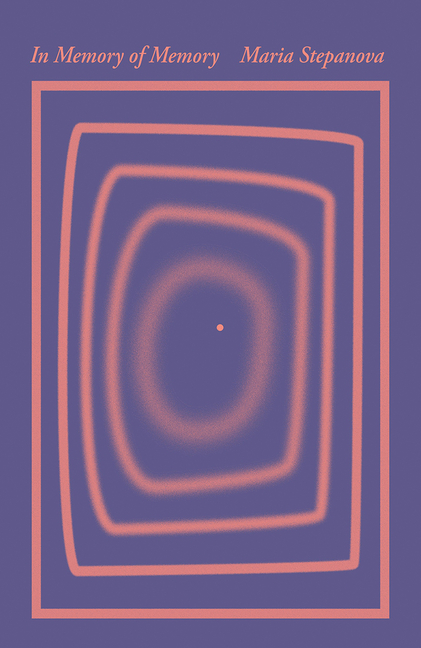
Maria Stepanova tr. Sasha Dugdale
RaveLondon Review of Books (UK)Stepanova’s family history is a dazzling reflection on forms of remembering ... She is brilliant on the excesses of digital photography ... But her book also shows that the compulsive wish to remember and be remembered is in no way peculiar to the digital age ... In Memory of Memory suggests that people are always, unwittingly or not, engaged ‘in the production of perfect casts and taxidermy’. Of all Stepanova’s stories and images— marvellously rendered in this English translation by Sasha Dugdale—the most striking is a description of sekretiki, a game played by Moscow schoolchildren in the 1970s. They would drop to the ground and bury a little collection of cherished things—feathers, beads, the photograph of a celebrity cut from a newspaper—then cover them with a piece of glass and hide them with soil. In classic Soviet posters, young pioneers gaze out of the frame towards the shining future. Here the children are face down in the earth, to preserve a familiar object and turn it into something that will last.