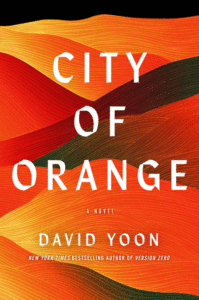
PositiveLos Angeles Review of BooksYoon’s novel, which allegorizes familial loss as apocalypse, stands in an uneasy relationship with a long tradition of postapocalyptic family dramas ... The protagonist comes to terms with the fact that nothing he could have done would have saved his family once disaster struck. Adam also recognizes that, because he is not an island, he cannot make it through his melancholia alone ... Throughout the novel, Yoon makes clear that he finds the image of the survivalist decked out in his expensive gear to be ridiculous because it implies a level of self-sufficiency that no one actually achieves ... At the same time, the novel misses an opportunity to make a more incisive political statement about how these survivalist themes relate to the broader context of the financial crisis ... Adam pulls himself out of seclusion by caring for the odd child who seems to be seriously troubled. This is easily the most fascinating character dynamic in the novel, but when Adam decides that he has no place in Clay’s family, they part ways from each other ... Yoon’s focus on the family parallels another recent postapocalypse: Don’t Look Up. ... Although Don’t Look Up offers much more mordantly funny observations about our current political predicament, this scene seems to share City of Orange’s sentiment that even during a global catastrophe there is nothing more important than keeping our friends and family close.