PositiveThe New YorkerA large, enjoyable novel that could be called quasi-historical and even accused of having a \'whole boring \"plot\"\' ... The Brightness portrays this particular kind of youthful political action with a touching mixture of the high-mindedness, impishness, bravado, self-aggrandizement, and pointlessness that such events really contain ... Harbach is a gifted observer of undergraduates, their pathos and their comedy, but his Westish is a gentle and perhaps too-good-natured institution, where even the jocks are nerds ... Suffers from its own problems with thin disguises ... These flaws are all the more frustrating because so much of The Brightness is beautiful and perceptive ... To prove that an old-fashioned book can be excellent, it isn’t necessary to dramatize arguments about the form. You need only a prose style, an interest in people, and a sense of society. In art as in sports, the best defense is a good offense.
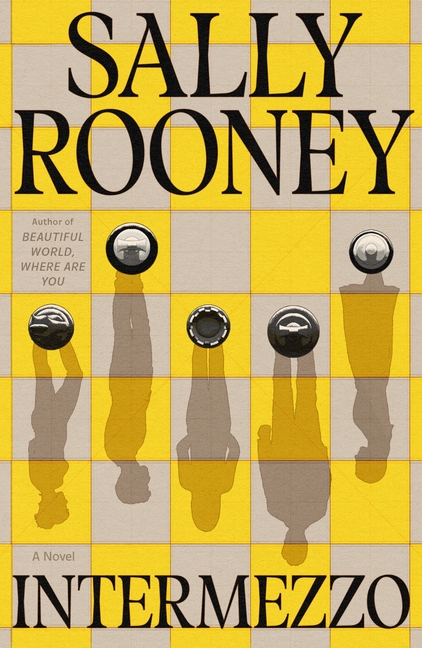
Sally Rooney
PositiveThe Wall Street JournalRooney has achieved a neat trick: She is considered the trendiest of novelists, though she writes in a traditional comic form: marriage-plot novels for the postmarriage world, in which the interactions among everyday people are carefully observed and represented—and in which characters are preoccupied by politics, technology, morality, sex, death, art and God.
Eleanor Catton
RaveNew YorkerBirnam Wood’s biggest twist is not so much a particular event as the realization that this is a book in which everything that people choose to do matters, albeit not in ways they may have anticipated. Catton has a profound command of how perceptions lead to choice, and of how choice, for most of us, is an act of self-definition ... Birnam Wood’s true turns are all carefully set up, as long as you’re focussing on the right details ... Birnam Wood, like all good books, doesn’t supply an answer.
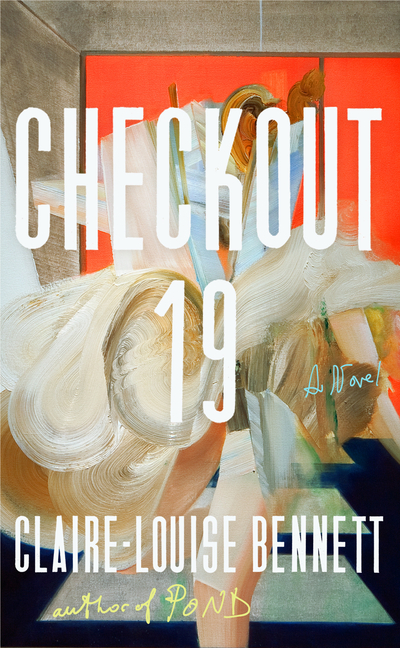
Claire-Louise Bennett
RaveThe New Yorker... a novel that is deliberate in its construction, down to the individual word, and yet aggressively resistant to definition ... Bennett is interested not in the shape of a life but in its substance ... Bennett’s narrators are sensualists, exquisitely attuned to taste and to texture, with appetites they prioritize over their own well-being ... For them, life is found in sensation: long baths, the sharpness of an orange, underlining their books in jewel-toned inks. They have no clear story to relate to us, but in their strangeness, their sense of ritual, their inability to respond precisely as needed, they draw us in ... The prized darkness at the center of the human mind, the place where whatever is really real about us resides, is what Checkout 19 dedicates itself to protecting. There is nowhere to go but inside, and yet what is inside is what must be saved from illumination ... It’s also, of course, a good description of Bennett’s writing, which aims to capture experience without revealing its core.