Rave4ColumnsA delicate and autumnal novel, pared-back yet bristling with quiet tangents, about the mysteries of friendship and what it means to find yourself becoming history ... These characters are scathing but often tender, capable of turning on a dime (or sixpence) on the narrator ... Does The Palm House supply a model for elegant survival? Probably not. Riley does, however, give her struggling characters something new, perhaps the cruelest thing she can think of: a happy ending.
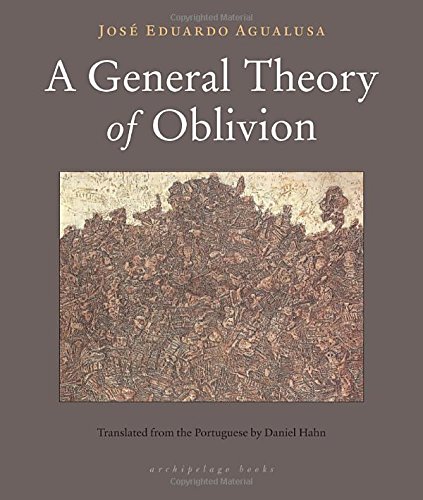
José Eduardo Agualusa, Trans. by Daniel Hahn
RaveBookslut‘A man with a good story,’ Agualusa writes, ‘is practically a king.’ If this is true, then this novel is a kingdom, one brimming with the voices of those trying to survive life during and after wartime … The novel centers on the life of Ludo, an agoraphobic woman who confines herself to an apartment for twenty-eight years, until the war's end. This aspect, which seems like it would be a literary limitation, is used like a wrench, winding up the human condition so that grief, love, memory, and death are all explored within the story as Ludo grapples with her past, present, and a doubtful future … As Ludo tries to unremember her past, and as a nation and a regime try to cover up a history, this book becomes an ode to the forgotten, what can and cannot be retrieved.
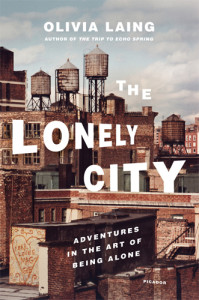
Olivia Laing
PositiveThe RumpusThere are few certain declarations in The Lonely City, and this is to its benefit. Laing is careful not to come to any simple conclusions, instead using her research and experiences to offer insights and possibilities. Although I read The Lonely City in the same urban spaces that usually impart a familiar loneliness—loud cafés, quiet apartments and slow trains choked with strangers—I felt different while reading it. Discovering the complex forms of loneliness that gripped all of these people, something surprising happened, something Laing most likely intended. It made me feel, for at least a little while, a bit less lonely.
Lauren Groff
MixedElectric Literature\"In the novel’s attempt at emotional complexity, its secrets and arguments just barely evade what is perhaps the most vexed literary crime—excessive melodrama. What rescues Fates and Furies are Groff’s sentences, as always lithe and poetic, unrolling like a glimmering carpet to the gray and uncertain territory of her characters’ inner conflicts. She wields an almost-wizardly command of language, specifically metaphor.\