PositiveThe Wall Street JournalHistorians typically craft third-person narratives that impart a sense of objectivity and distance from the reader. Mr. Ely takes an unconventional approach by acting as a narrator and interpreter. His book reads as a conversational account peppered with occasional quips about contemporary political events ... Although Mr. Ely’s research shows that enslaved and free people engaged with one another in surprisingly personal ways, these six trials also warn readers that focusing \'on the intimacies without recognizing the terrors obscures the fundamental character of a system that indeed poisoned and depraved everything it touched.\'
RaveThe Wall Street JournalA narrative history brimming with action ... Places the history of Atlantic slavery into broader context by beginning her study in the ancient world.
PositiveThe Wall Street JournalMr. Kara, whose previous books include Cobalt Red: How the Blood of the Congo Powers Our Lives, reveals how the Zorg’s trans-Atlantic crossing plumbed the depths of human depravity ... Stands as a testament to the Africans who perished on the Zorg and to all who endured centuries of exploitation during the trans-Atlantic slave trade.
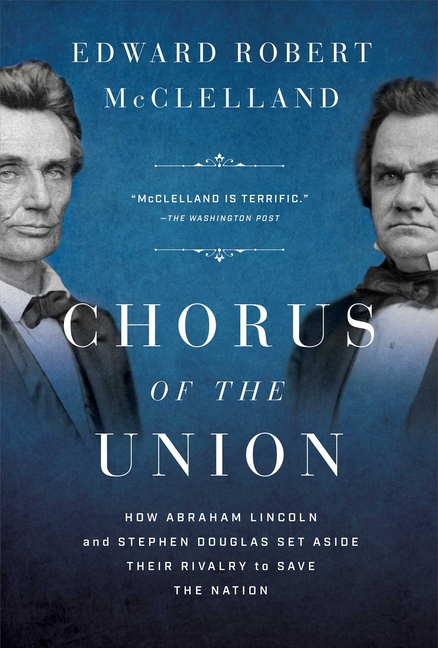
Edward Robert McClelland
PositiveThe Wall Street JournalMr. McClelland vividly brings to life the drama of these seven debates ... The author humanizes both men by describing their fatigue, emotions and concerns, but more information about their relationships with their wives, Mary and Adele, who periodically appeared on the campaign trail, would have further enhanced the story.
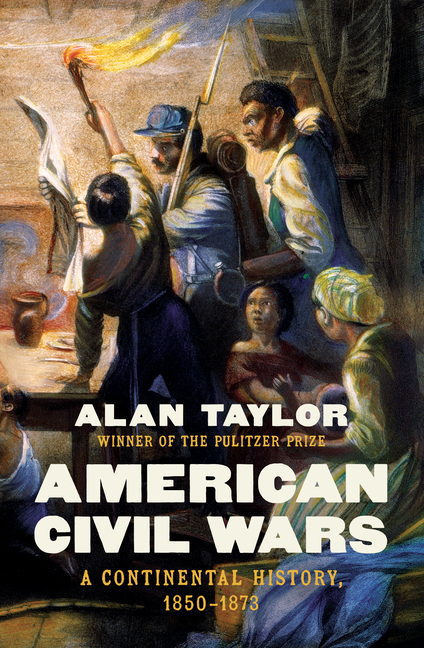
Alan Taylor
PositiveThe Wall Street JournalMr. Taylor’s transnational approach reveals the often unnoticed connections between America’s war over slavery’s future and the concurrent battles for individual rights in Mexico and Canada.